April 21, 2026
Understanding the various factors that could necessitate a roof replacement is crucial for every homeowner who wants to protect their investment. Roofs are an integral part of a home's structure, providing a primary shield against the elements and contributing significantly to overall energy efficiency and interior comfort. This article explores the most common reasons that might lead you to consider replacing your roof rather than simply repairing it. From the natural expiration of materials to hidden structural issues, various factors can impact the longevity and effectiveness of your overhead protection.
1. Evaluate the Age of Your Roof
The age of your roof is a primary factor in determining the need for a total replacement. Most roofing materials have a specific design life, beyond which they may fail to offer sufficient protection regardless of how many small repairs are performed. It is essential to know the specific type of roofing material installed on your home and its average expected lifespan to anticipate when a full replacement might be necessary.
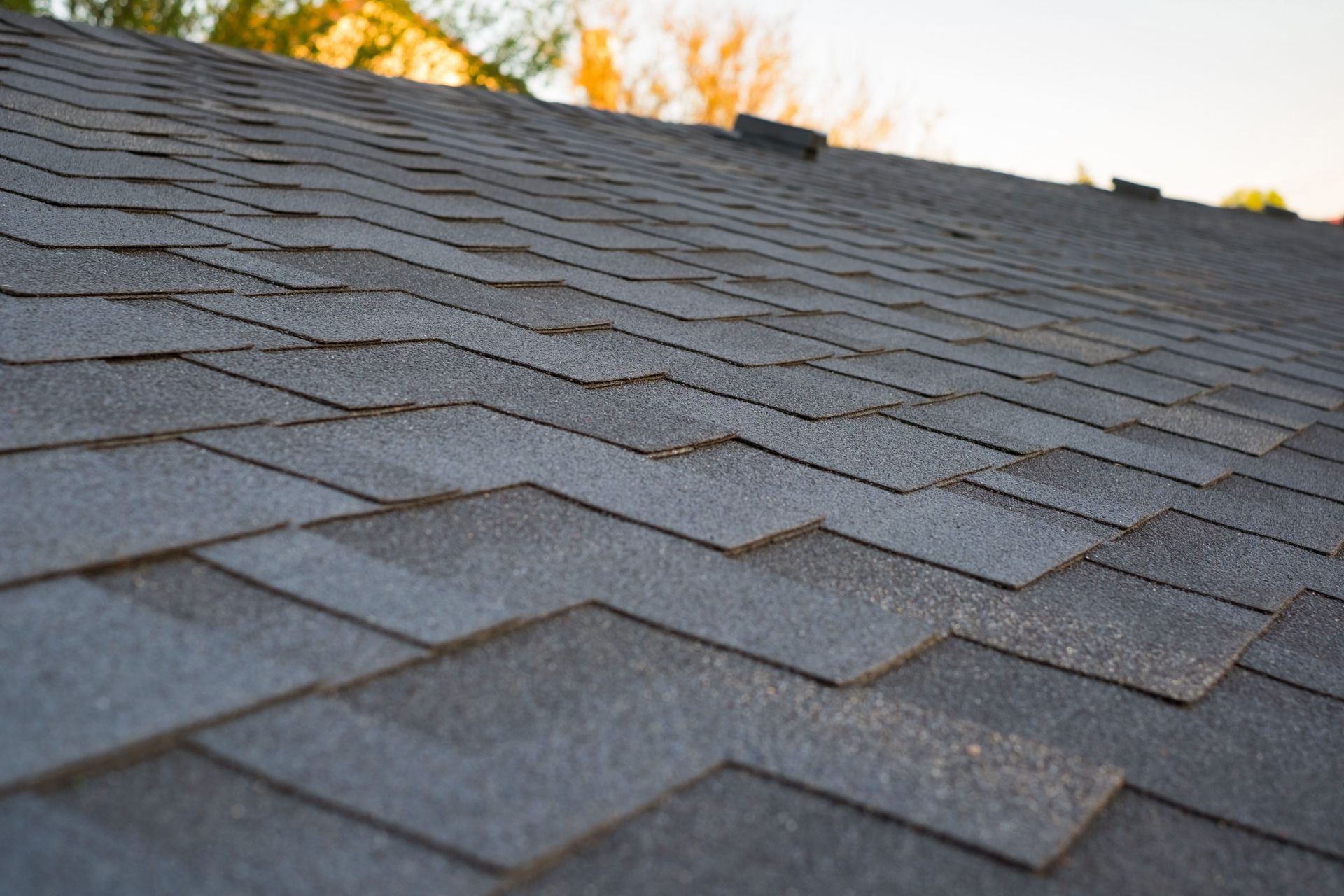
Signs of aging in asphalt shingles often manifest as curling, cracking, and a noticeable loss of protective granules. These signs are clear indicators that the shingles are nearing the end of their functional lifespan and may no longer provide an adequate barrier against rain and wind. Homeowners should be particularly vigilant about these visual cues, especially if the shingles are approaching the two-decade mark. Professional roofers often suggest that once a roof reaches this stage, the cost of frequent patching often exceeds the value of a full replacement.
2. Inspect for Signs of Weather Damage
Weather damage is another critical factor that can lead to an immediate need for roof replacement. High-impact hailstorms can cause significant damage to roofing materials by leaving deep dents or punctures that compromise the entire system's integrity. Even small hailstones can dislodge the mineral granules from asphalt shingles, which exposes the underlying bitumen to the sun and reduces the roof’s lifespan.
Wind damage is particularly concerning because it can lead to shingle displacement or the complete removal of large sections of the roof. This leaves the underlying roof structure and the home’s interior exposed to the elements, drastically increasing the risk of sudden water infiltration. High winds can also cause heavy tree branches and other debris to strike the roof surface, leading to structural cracks or punctures. Experienced roofers are trained to look for "creased" shingles, which occur when the wind lifts the shingle up and snaps the sealant bond, a problem that might not be obvious to the untrained eye. Prompt repair or replacement of wind-damaged sections can prevent moisture from rotting the roof deck and damaging your ceiling.
3. Rectify Problems Caused by Poor Installation
Poor installation is a leading cause of premature roof failure and the subsequent need for replacement. Common installation errors include improper shingle alignment, inadequate sealing of valleys, and the use of incorrect fastening techniques. These mistakes can lead to chronic leaks, susceptibility to wind damage, and a significantly reduced roof lifespan. It is crucial to hire experienced and certified contractors to ensure the roof is installed correctly from the very beginning. Proper installation can prevent many common roofing issues and ensure that you get the full value out of the materials you have purchased for your home.
Homeowners can often check for installation issues by inspecting their roofs for visual irregularities. Look for signs such as uneven shingle lines, exposed nail heads, or missing metal flashing around chimneys and vents. Addressing these issues early might allow for corrections, but in many cases, a systemic installation failure requires a complete tear-off and redo. Many roofers find that roofs installed by unlicensed individuals lack the necessary ventilation or underlayment required to keep the home protected over the long haul.
4. Choose High Quality Roofing Materials
The choice of roofing materials significantly impacts how often you will face the need for a total replacement. Each material has its own set of advantages and disadvantages that professional roofers must carefully consider based on your budget and your home's architectural style. Asphalt shingles remain popular due to their affordability and ease of installation, but they may not be as durable as premium materials like slate or clay tile.
Metal roofing offers several unique benefits that make it an increasingly appealing choice for modern homeowners. It is highly durable and can withstand extreme weather conditions better than almost any other material. Metal roofs are also fire-resistant and highly energy-efficient, as they reflect sunlight to help reduce home cooling costs during the summer. As we look toward the future of home improvement, research suggests that by 2030 the global roofing industry is predicted to reach 156 billion USD, according to Webinar Care. This signals a massive shift toward higher-quality and more sustainable builds.
5. Resolve Serious Underlying Structural Issues
Structural issues can undermine the integrity of even a brand-new roof and eventually necessitate a full replacement. Roof sagging is a common and serious problem that can indicate structural weakness or damage to the rafters or trusses. Several factors can contribute to this sagging, including long-term moisture buildup, inadequate internal support, or the weight of heavy roofing materials that the house was not designed to carry.
Moisture is a significant and constant threat to the overall integrity of any roof structure. It can seep into the wooden components, causing wood rot, mold growth, and significantly weakened supports that can no longer hold the weight of the shingles. Ensuring proper roof ventilation and insulation can help mitigate moisture-related issues and keep the structure sound. When roofers perform a replacement, they should always check the condition of the plywood decking to ensure it provides a solid foundation for the new materials.
6. Prioritize Consistent and Routine Maintenance
Lack of maintenance is a very common reason for the premature replacement of residential roofs. Regular inspections and minor maintenance tasks are crucial to identifying and addressing small issues before they evolve into major, unmanageable problems. Homeowners should ideally inspect their roofs at least twice a year, looking for signs of damage, wear, and natural aging. Professional roofers are often available to provide a more thorough assessment and can help identify hidden issues that a homeowner might miss. By staying proactive with your maintenance schedule, you can significantly extend the life of your roof and prevent the need for an early replacement.
Addressing minor repairs early can prevent more extensive damage and prolong the life of a roof for several years. Small issues, such as a single missing shingle or a minor leak around a vent pipe, can quickly escalate if they are not addressed promptly. Homeowners should have a seasonal maintenance checklist to keep track of necessary repairs and professional inspections. While some maintenance tasks can be done safely by homeowners, others definitely require professional assistance to ensure the work is done correctly. By investing in the services of skilled roofers for regular maintenance, homeowners can protect their investment and avoid the sudden need for a premature and costly replacement.
Recognizing the various factors that lead to roof replacement is essential for maintaining a safe and dry home. By understanding the long-term impact of age, weather, installation quality, materials, structural issues, and maintenance, homeowners can make informed and confident decisions. When you're ready to work with professional roofers, reach out to us at Gator Roof Systems and Construction, Inc to discuss your specific roofing needs today.