September 23, 2026
When homeowners need a new roof, the number of available materials, contractors, and price points can make the decision feel more complicated than expected. Yet many homeowners ultimately choose familiar roofing materials that offer a practical combination of affordability, durability, appearance, and availability. The contractor handling the installation can be just as important as the material itself, since even a high-quality roofing product can perform poorly when it is installed incorrectly.
Choosing a local roofer can help homeowners find someone familiar with regional weather conditions, common building practices, and local homes. At the same time, homeowners should compare contractors carefully rather than assuming that proximity automatically means quality. Understanding the most popular roofing materials, replacement considerations, contractor differences, and typical costs can make the process easier.
What Materials Are Most Popular for Residential Roofing?
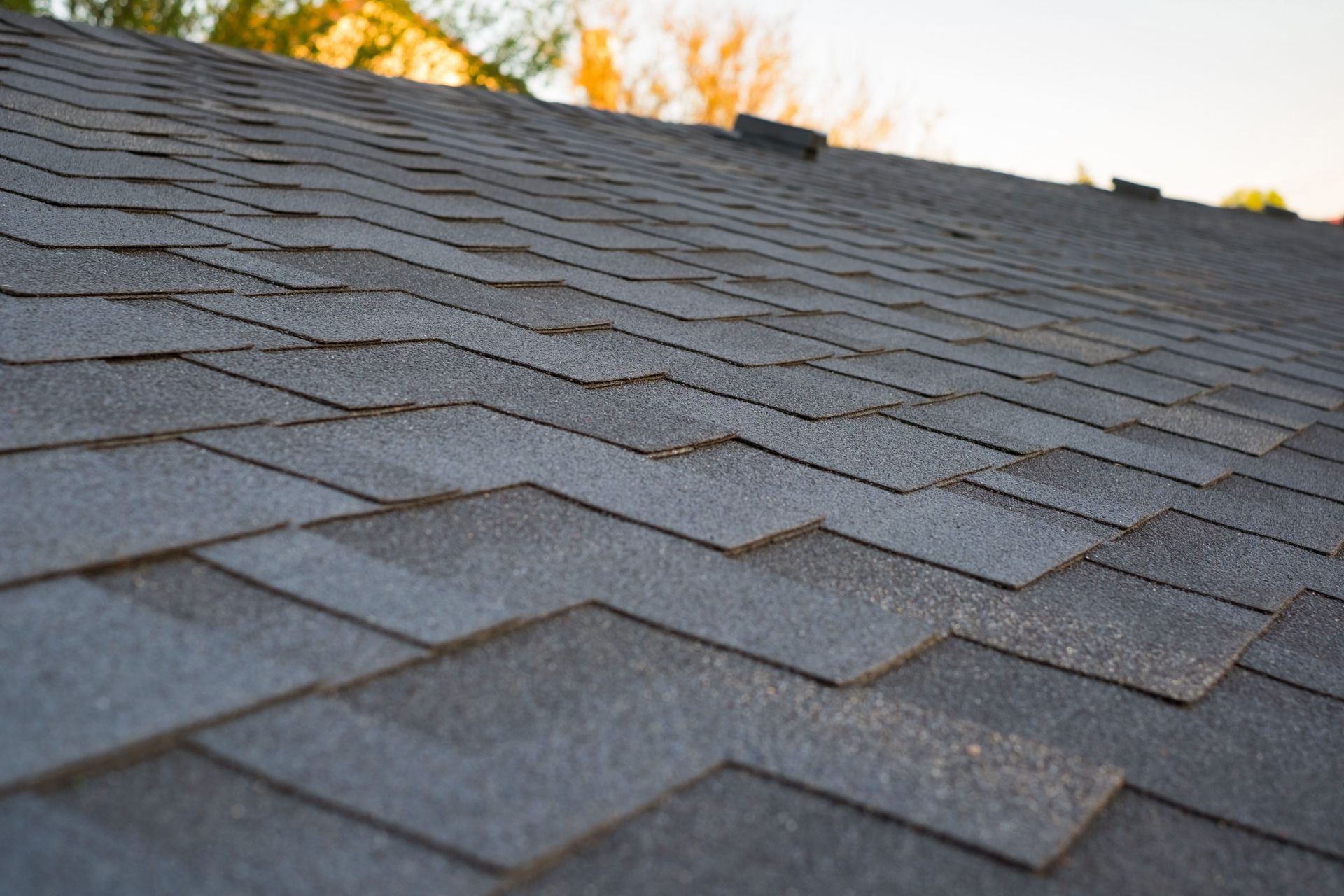
Asphalt shingles remain the dominant choice for residential roofing in the United States. According to RoofLink, asphalt shingles make up roughly 73% of the U.S. residential roofing market. Their popularity is largely tied to their relatively affordable price, broad availability, straightforward installation, and wide range of colors and styles.
Architectural asphalt shingles are particularly common because they can provide a dimensional appearance while offering greater durability than basic three-tab shingles. They are available in numerous designs, making it easier for homeowners to coordinate a roof with the exterior of a property.
Metal roofing is another increasingly popular option. Standing-seam metal and metal shingles can offer long service lives and strong resistance to weather. Metal roofs generally cost more upfront than asphalt shingles, but their longevity can make them attractive to homeowners planning to remain in their homes for many years.
Other options include wood shakes, slate, clay tile, and concrete tile. These materials can provide distinctive appearances and, in some cases, exceptional longevity. However, they may have higher material and installation costs or require structural considerations because of their weight.
A local roofer can help homeowners compare materials based on the home's design, climate, roof slope, budget, and expected service life rather than simply recommending the most expensive option.
How Do You Choose the Right Local Roofer for Your Home?
Choosing a contractor requires more than finding the first company that appears in a local search. Homeowners should look for appropriate licensing and insurance where required, a history of completed projects, clear written estimates, and references or reviews that provide insight into previous customer experiences.
It is also worthwhile to ask how long the company has operated in the area and whether it regularly works with the type of roofing material being considered. A contractor who primarily installs asphalt shingles may not be the best choice for a complex slate or metal roofing project.
Communication is another important consideration. A reputable local roofer should be willing to explain the scope of work, materials, ventilation requirements, warranties, expected timeline, and payment terms. The estimate should identify significant costs rather than presenting an unexplained lump sum.
Homeowners should also be cautious of contractors who demand unusually large deposits, pressure customers to sign immediately, or provide estimates that seem dramatically lower than every other proposal. Comparing several qualified contractors can provide a better sense of reasonable pricing and help identify potential red flags.
What Are the Key Considerations When Replacing a Roof?
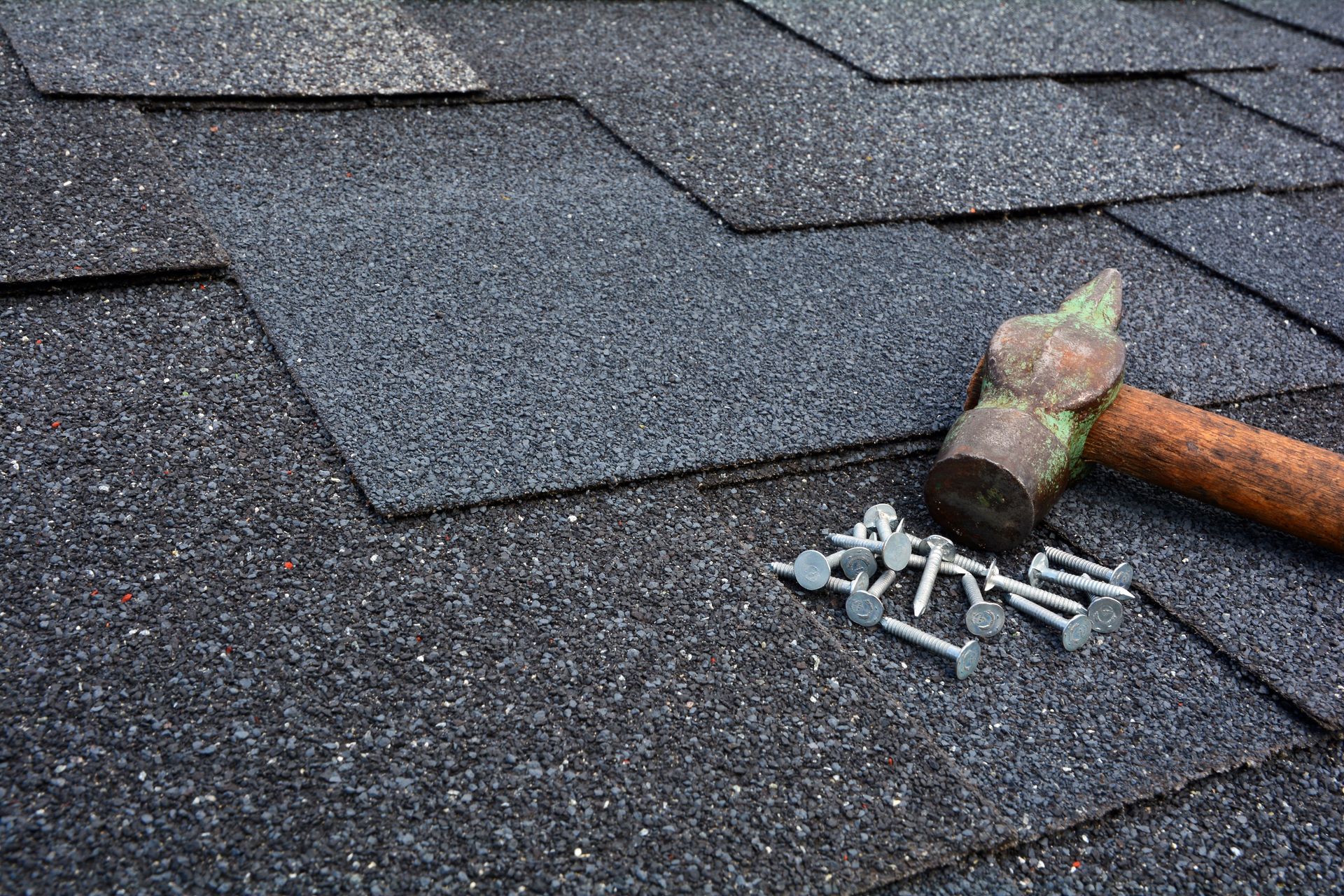
A roof replacement involves more than removing old shingles and installing new ones. Before work begins, homeowners should consider the condition of the roof deck, flashing, ventilation, gutters, insulation, and other components that can affect long-term performance.
The age and condition of the existing roof can provide useful information, but visible wear is not the only concern. Missing shingles, damaged flashing, leaks, sagging areas, granule loss, and water stains can indicate problems that require attention.
Homeowners should also consider how long they expect to stay in the property. Someone planning to sell within a few years may prioritize a cost-effective roofing system with broad buyer appeal. Someone expecting to remain in the home for decades may find greater value in investing in a longer-lasting material.
Climate matters, too. Heavy snow, strong winds, hail, intense sunlight, and temperature fluctuations can all affect roofing materials differently. A local roofer may have useful experience with the weather conditions that commonly affect homes in the area.
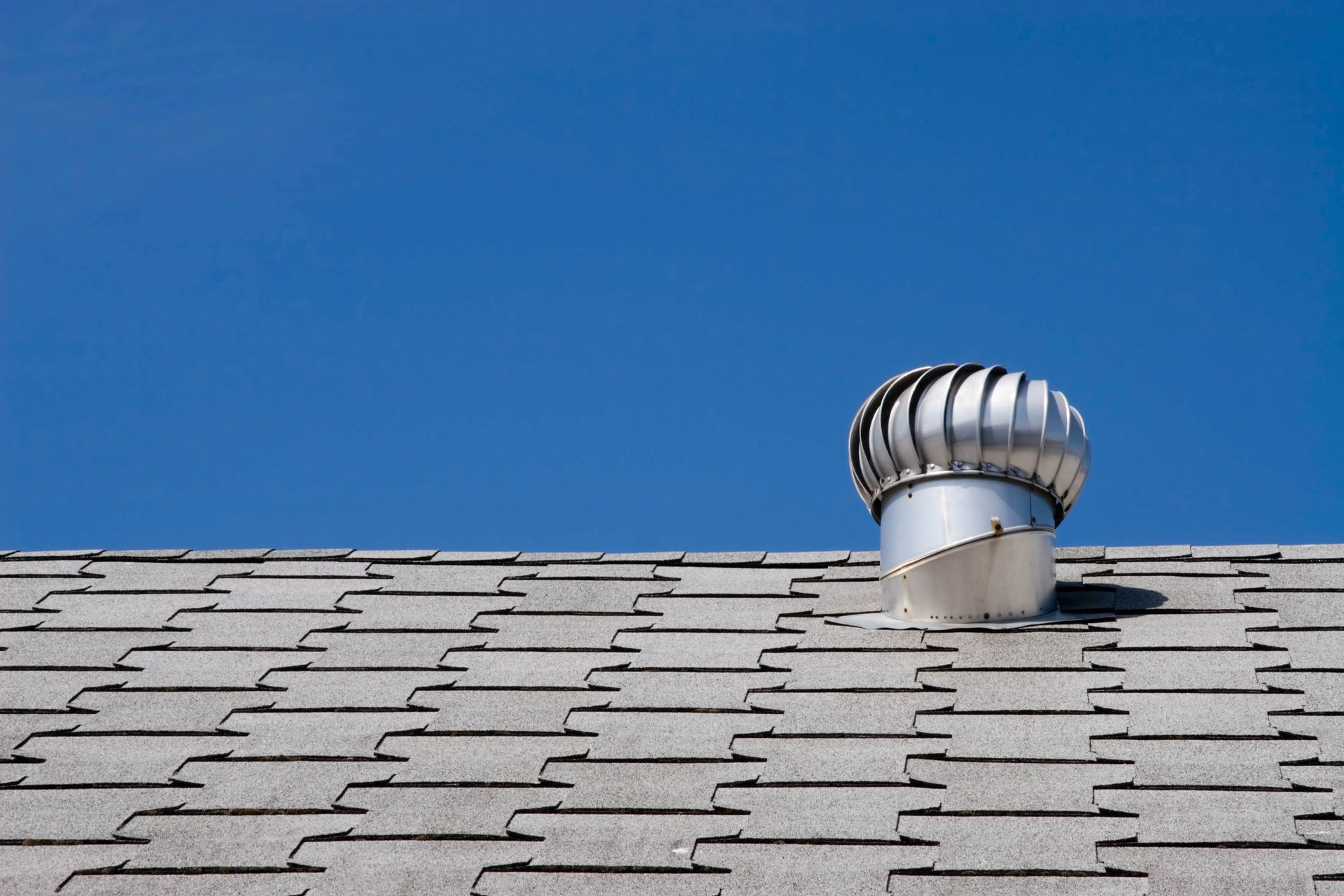
Ventilation and drainage deserve particular attention. A properly installed roofing system needs appropriate airflow through the attic and effective ways to move water away from the structure. Addressing these details during replacement can help prevent moisture-related problems later.
How Do Local Roofers Compare to National Chains?
Local and national roofing companies can both offer advantages, and the better choice depends on the homeowner's priorities. National chains may have extensive advertising, standardized processes, larger administrative resources, and recognizable names. Some homeowners may appreciate the convenience of working with a company that has established systems for scheduling and customer service.
A local roofer, however, may provide a more community-oriented experience. Local contractors often depend heavily on their reputation within the areas they serve, which can make customer relationships particularly important. They may also have extensive familiarity with local housing styles, weather patterns, permitting requirements, and suppliers.
Local companies can sometimes provide greater flexibility as well. Homeowners may be able to communicate directly with an owner, project manager, or installation team instead of working through multiple layers of a larger organization.
That does not mean every local company is automatically better than a national chain. Homeowners should evaluate both based on qualifications, reviews, warranties, communication, workmanship, and the details of their estimates. The company's size is less important than whether it can reliably deliver the roofing system the home requires.
What Is the Average Cost of Roofing Installation by Local Roofers?
Roof replacement costs vary considerably depending on the home's size, roof design, material, labor rates, geographic location, accessibility, and condition of the existing structure. Because of these variables, homeowners should be cautious about treating a single national average as a guaranteed price for their property.
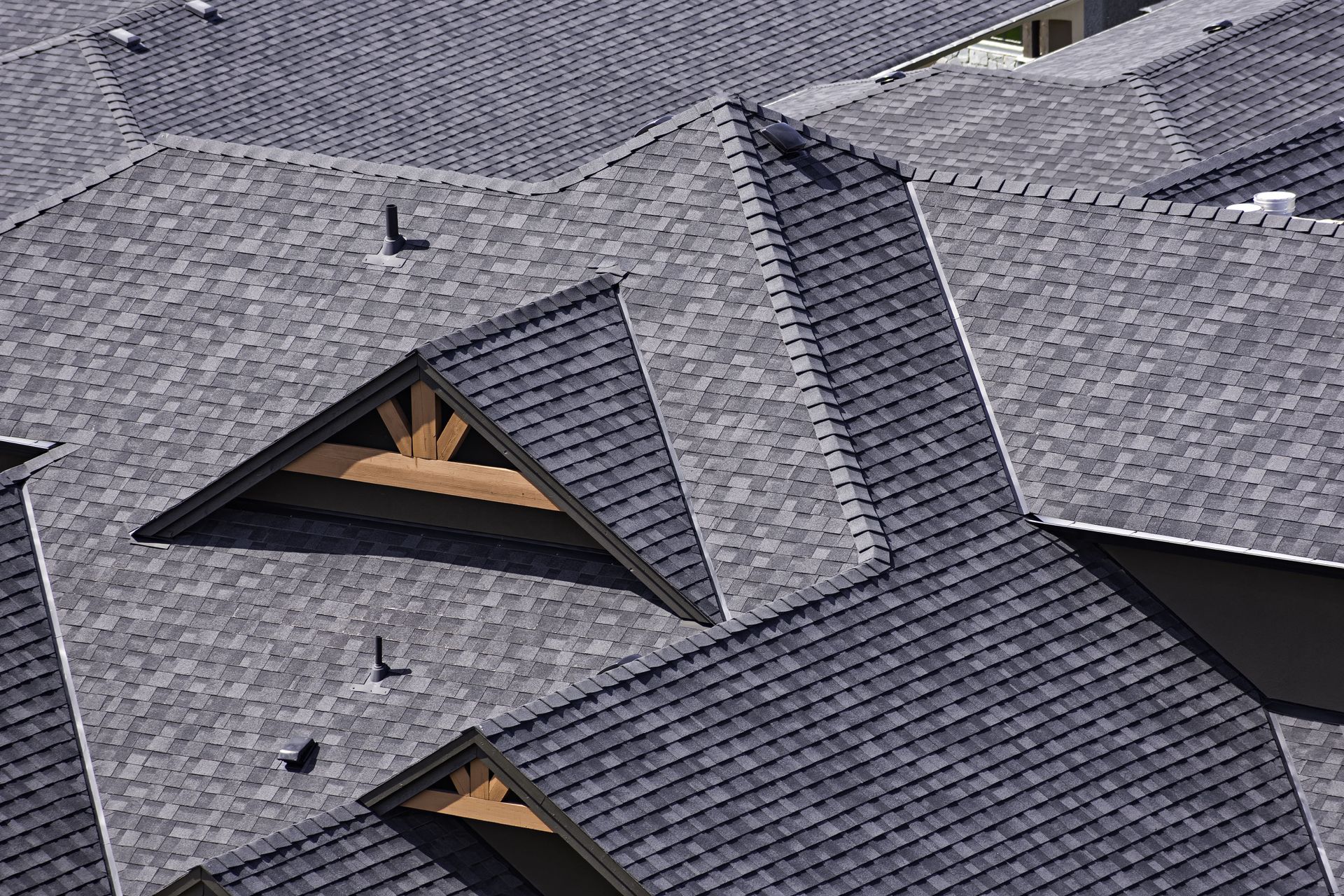
Asphalt shingles generally provide the most accessible entry point for a complete roof replacement. Metal, tile, slate, and other premium materials can substantially increase the material and labor costs. A complicated roof with multiple slopes, dormers, valleys, or difficult access can also cost more to replace than a simple roof of the same approximate size.
Additional expenses may arise if the contractor discovers deteriorated decking, damaged flashing, inadequate ventilation, or other problems beneath the existing roofing. Homeowners should ask whether the estimate includes removal and disposal of the old roof, underlayment, flashing, ventilation components, cleanup, and potential decking repairs.
Getting multiple written estimates is one of the best ways to establish a realistic budget. A local roofer should be able to explain what is included in the quoted price and identify circumstances that could result in additional charges.
For many homeowners, asphalt shingles remain the practical default for residential roofing because they combine affordability, availability, and versatility. Other materials can make sense when longevity, appearance, energy efficiency, or specific performance characteristics are higher priorities.
Regardless of the material selected, choosing the right contractor is essential. Homeowners should compare qualifications, estimates, materials, warranties, communication, and previous work before making a decision. A reputable
local roofer can bring valuable knowledge of regional conditions while providing a more personal alternative to a national roofing chain.
A roof replacement is a significant investment, so taking time to understand the options can help homeowners avoid unnecessary costs and choose a roofing system suited to their property. With careful planning and a qualified contractor, a new roof can provide dependable protection and improve the home's appearance for many years. If you're looking for a roofer, reach out to the team at Gator Roof Systems and Construction, Inc today!