April 21, 2026
A roof plays a critical role in protecting a property, but like any structural component, it does not last indefinitely. Over time, exposure to weather, temperature shifts, and general wear gradually reduces its effectiveness. Even in well-maintained properties, gradual deterioration is unavoidable as materials age. Recognizing when replacement is the more practical option can help prevent costly damage and ongoing disruptions.
According to Roofer’s Guild, a typical roof lasts between 25 and 50 years. Understanding the key indicators that signal your roof is reaching the end of its lifespan and it may be time for a replacement allows property owners to take a proactive approach. Partnering with a local roofer provides clarity and direction when evaluating these conditions and planning next steps.
1. Aging Beyond Expected Lifespan
Every roofing system is designed with a general lifespan, and once that threshold is approached, performance often declines. Materials begin to lose their strength and flexibility, even if the roof still appears functional from the ground or during casual inspection.
As a roof ages, shingles can become brittle, underlayment may deteriorate, and fasteners can loosen. These issues do not always present immediate problems, but increase the likelihood of future failures and water intrusion. Over time, the cumulative impact of aging materials reduces the roof’s ability to protect against moisture and environmental exposure.
A local roofer can evaluate whether the roof has reached a stage where replacement is more practical than continued maintenance and minor repairs.
2. Experiencing Repeated Repairs
Frequent repair needs often indicate that a roofing system is no longer performing as intended. While occasional repairs are expected over the life of a roof, repeated issues suggest a deeper problem affecting the entire structure and its ability to perform consistently.
When leaks continue to appear in different areas or when shingles regularly come loose, it becomes clear that repairs are only providing temporary relief. The cost and inconvenience of addressing recurring issues can quickly outweigh the benefits of extending the roof’s lifespan through patchwork fixes.
Consulting a local roofer in these situations helps determine whether ongoing repairs are still viable or if a full replacement offers a more stable, long-term solution.
3. Showing Visible Signs of Wear
Physical signs of deterioration are among the most noticeable indicators that a roof may need replacement. These signs often develop gradually and reflect underlying damage rather than isolated surface issues that can be easily resolved.
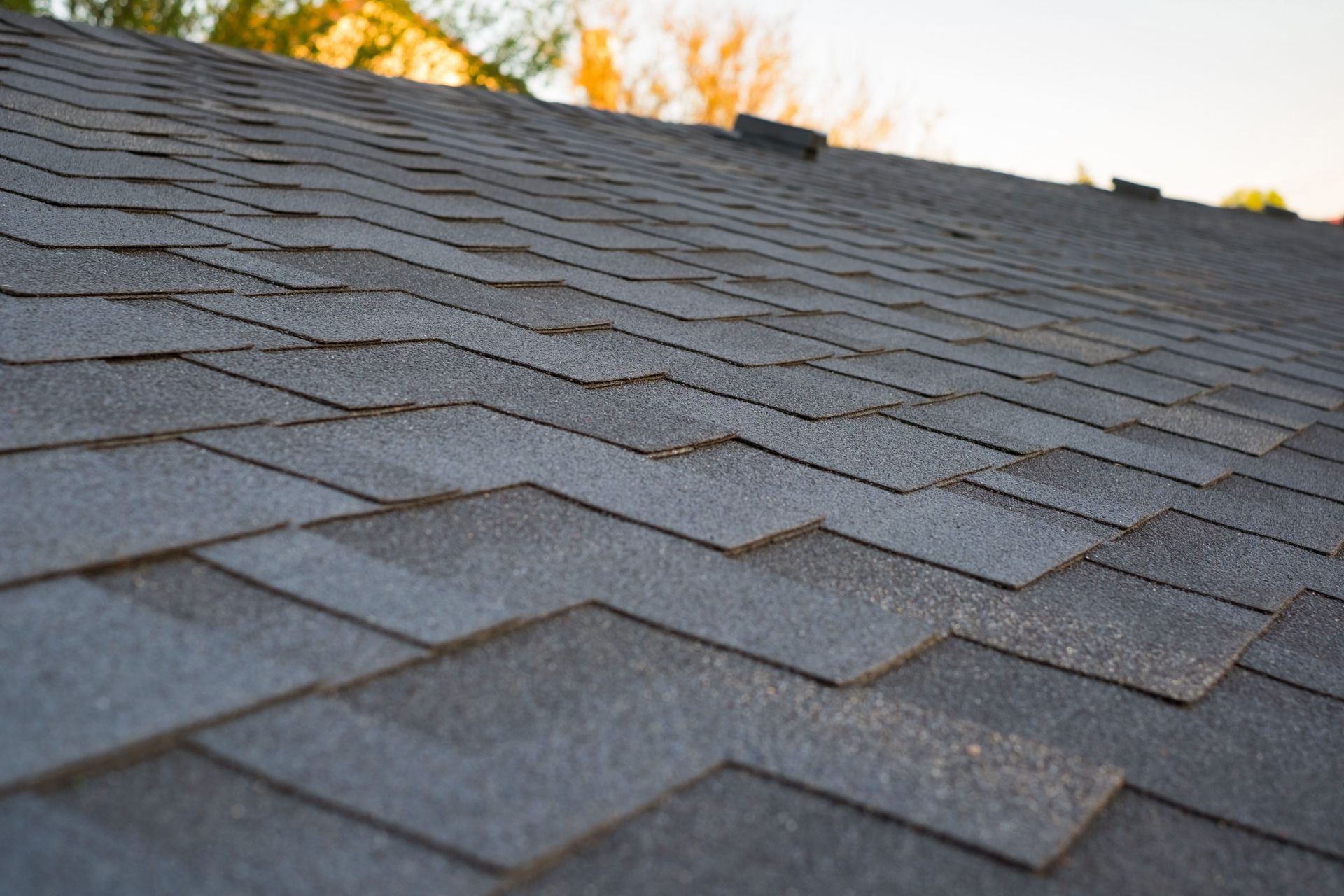
Shingles may begin to curl, crack, or buckle after years of exposure to sunlight and changing temperatures. Granule loss can leave sections of the roof vulnerable to further wear, while sagging areas may indicate deeper structural concerns. Discoloration and streaking can also point to moisture buildup or prolonged exposure to the elements.
A local roofer can assess the extent of visible wear and determine whether the damage is widespread enough to warrant replacement instead of continued maintenance.
4. Sustaining Storm or Weather Damage
Severe weather events can significantly impact a roof’s structural integrity. High winds, heavy rainfall, hail, and airborne debris all contribute to damage that may not always be immediately visible after the event has passed.
In many cases, storms can loosen or remove shingles, damage flashing, or create entry points for water. Even when the damage appears minor at first glance, underlying issues can develop over time and lead to more serious structural concerns.
A local roofer can perform a detailed inspection following a storm to identify hidden damage and recommend whether repair or replacement is the more effective and reliable course of action.
5. Increasing Energy Inefficiency
A roof plays an important role in regulating indoor temperature and maintaining energy efficiency throughout the year. As roofing materials degrade, their ability to insulate and ventilate the structure may decline noticeably.
This can lead to changes in indoor comfort, including uneven temperatures and increased reliance on heating and cooling systems. Over time, these inefficiencies can result in higher energy costs and reduced overall performance of the building envelope.
Working with a local roofer allows for an evaluation of how the current roof is affecting energy use. In many cases, replacing the roof can help restore consistent temperature control and improve overall efficiency.
6. Detecting Water Damage or Leaks
Water intrusion is one of the most serious issues associated with roofing failure. Even small leaks can lead to extensive damage if they are not addressed promptly and professionally.
Signs of water damage may include stains on ceilings or walls, the presence of mold or mildew, and damp conditions in attic spaces. These problems often indicate that water has penetrated the roofing system and is affecting other parts of the structure over time.
A local roofer can identify the source of the leak and determine whether the damage is localized or part of a broader issue. When leaks occur repeatedly or affect multiple areas, replacement is often the most effective way to resolve the problem.
7. Preparing for Property Sale or Appraisal
The condition of a roof has a direct impact on property value and buyer perception during the selling process. An aging or damaged roof can raise concerns during inspections and influence the outcome of a sale.
Buyers may request repairs or negotiate pricing if the roof is nearing the end of its lifespan or showing signs of deterioration. In some cases, financing can be affected if the roof does not meet certain requirements set by lenders or insurers.
Replacing the roof before listing a property can help present it in a more favorable light and reduce potential obstacles during the transaction process. A local roofer can provide an assessment that supports informed decision-making.
8. Addressing Structural Concerns
In some cases, roofing problems extend beyond the outer layer and affect the structure beneath. Issues with decking, supports, or ventilation systems can compromise the stability and safety of the entire roof.
These concerns may present as sagging areas, uneven surfaces, or persistent moisture within the attic. Structural issues require a comprehensive evaluation and cannot be resolved through surface-level repairs alone.
A local roofer can assess the full scope of the problem and recommend replacement when the integrity of the roof is at risk or continuing to decline.
9. Upgrading Overall Protection
Over time, roofing systems may no longer align with current building standards or environmental demands. As conditions change, older roofs may struggle to provide the same level of protection they once did when first installed.
Replacing a roof offers the opportunity to improve durability and performance without focusing on specific materials or systems. A newer installation can better handle weather exposure and provide more consistent protection over time.
A local roofer can guide the process and help align the replacement with the property’s current needs, regional climate conditions, and long-term performance expectations.
10. Reducing Long-Term Maintenance Costs
As a roof ages, maintenance demands often increase. Frequent service calls and repeated repairs can become both time-consuming and expensive, especially when issues continue to reappear.
At a certain point, replacement becomes a more predictable and cost-effective option. Instead of managing ongoing issues, a new roof provides a fresh start with fewer immediate maintenance concerns and reduced uncertainty.
A local roofer can compare the long-term costs of continued repairs versus replacement, helping property owners make a decision that aligns with their budget, timeline, and overall property goals.
Recognizing the signs that indicate a roof may need replacement allows property owners to take a proactive approach rather than reacting to emergencies. Aging materials, recurring issues, visible wear, and performance concerns all point toward the need for a long-term solution that supports the structure.
Working with a local roofer provides the insight needed to evaluate these factors and determine the right course of action based on current conditions. If your roof is showing signs of decline, connect with a local roofer at Gator Roof Systems and Construction, Inc to schedule an evaluation and move forward with a solution that fits your property.